
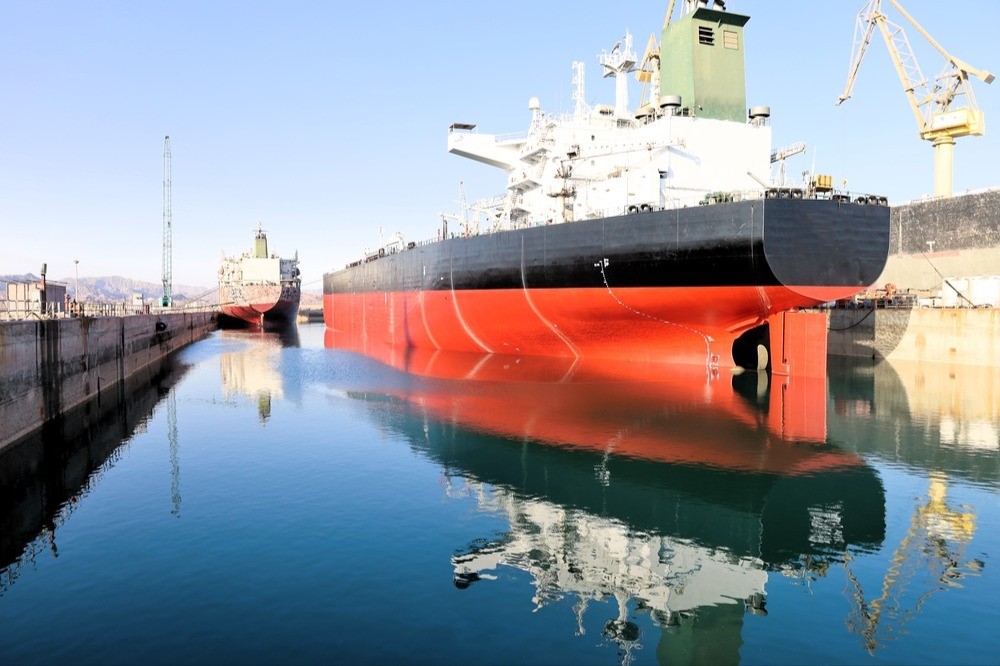
On December 8, 2025, a giant oil tanker, after complete reconstruction in the ISOICO complex and equipped with an advanced ballast water treatment system in accordance with the latest international requirements, once again joined Iran's maritime transportation fleet. With its high capacity for crude oil transportation and compliance with environmental standards, it will highlight the country's position in the global energy trade.
According to the ISOICO International Communications and Environment Center, in continuation of the process of repairing and reconstructing the country’s giant oil tankers, another of these giant vessels has rejoined Iran’s maritime transportation fleet after undergoing major operations at the Iran Shipbuilding and Offshore Industries Complex (ISOICO). This action is part of a comprehensive program to upgrade the operational and environmental capabilities of Iran’s large oil tankers, which aims to increase crude oil export capacity and a more prominent presence in the global energy trade.
This oil tanker, with a length of 248 meters, a width of 43 meters, and a height of 19 meters, in addition to complete reconstruction and major repairs, is equipped with an advanced Ballast Water Treatment System; a system that is designed in accordance with the latest international maritime requirements and allows unrestricted operation in the world’s ports.
ISOICO, as the largest shipbuilding and offshore industry complex in Iran, has once again demonstrated its capabilities in the implementation of heavy and complex projects. Utilizing the knowledge of domestic experts, advanced equipment, and efficient management, this complex has become the main hub for the reconstruction and modernization of the country’s giant oil tankers.
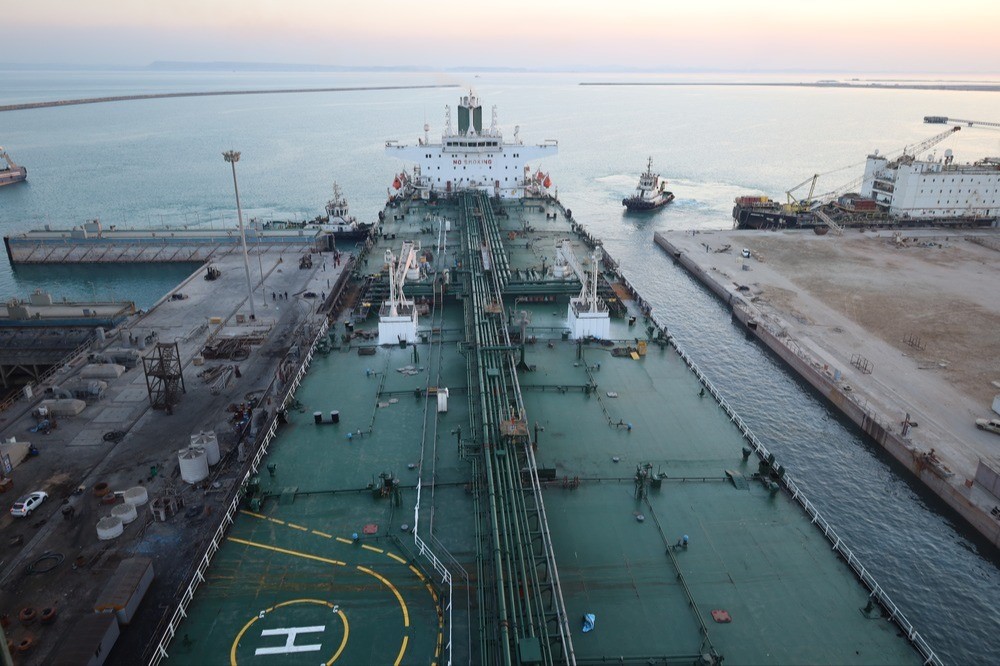
Among the activities carried out on this vessel, we can mention: replacement and renovation of all pipes on the deck, pipes inside the engine room, replacement of main deck sheets, C-DECK and MONKEY DECK, replacement of sheets on the inside walls of the tanks between the bunker and ballast tank, sandblasting and painting of the hull, deck and accommodation, overhaul of the main engine and generators, overhaul of electric motors, pumps, fans, etc., installation and commissioning of the Ballast Water Treatment System, complete overhaul of the propulsion system, shaft, propeller, seals, etc., demucking and complete cleaning of cargo tanks, painting of ballast tanks, servicing and complete overhaul of valves in various sizes numbering 400, servicing of switchboards and breakers, servicing of lifeboats, servicing and complete overhaul of all machinery on deck, cranes, winches, etc., renovation of the interior decoration of the accommodation, etc.
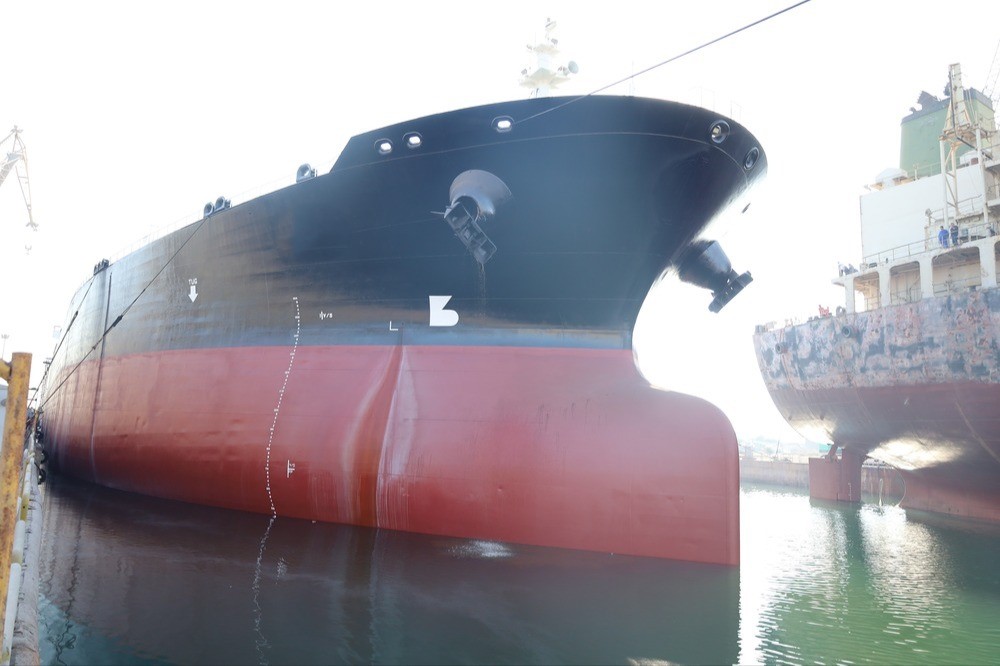
The return of this oil tanker and other similar vessels to the maritime transportation cycle not only increases Iran’s crude oil export capacity, but also sends a clear message to the world about domestic capabilities in the field of maritime industries. These projects are a symbol of Iran’s movement towards sustainable development and a stronger presence in the global maritime trade arena, and show that by relying on domestic capabilities, projects at the global level can be completed. Considering the unique infrastructure of Iran Shipbuilding and Offshore Industries Complex (ISOICO), this complex is the only center in the country that has the ability to carry out major repairs and reconstruction of giant oil tankers. The existence of huge dry docks, advanced equipment, and specialized human resources has transformed ISOICO into a unique point in Iran’s maritime industry; a place that can manage and execute projects with global dimensions and complexity. This special capacity not only meets the internal needs of the country, but also provides the possibility of providing services to foreign vessels and strengthens Iran’s position in the regional and international maritime industries.
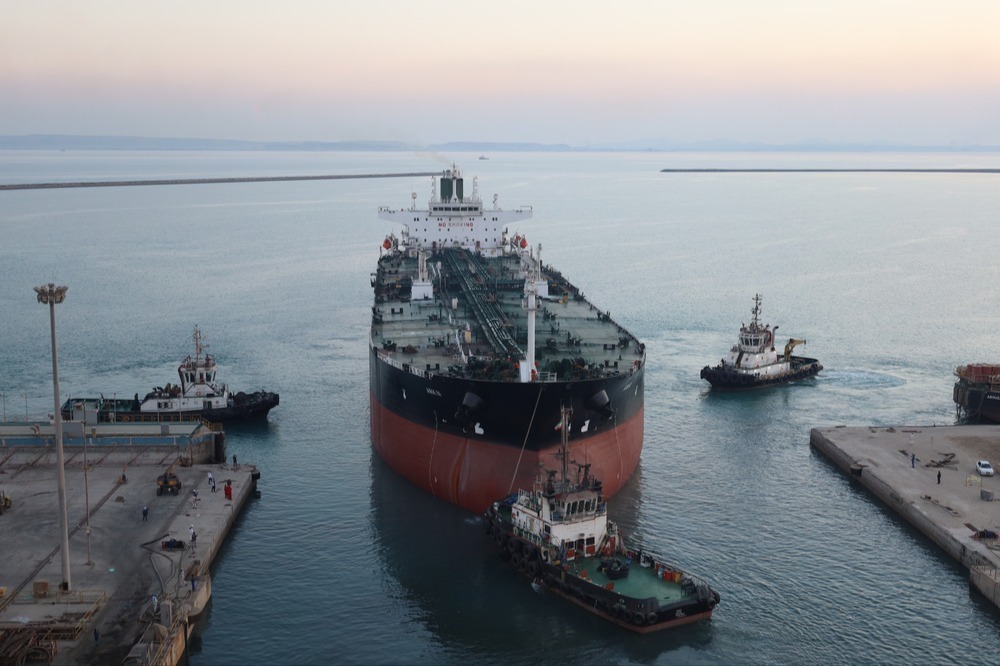
ISOICO’s unique ability to repair and rebuild giant oil tankers is not only limited to improving Iran’s position in the maritime industry, but also has significant economic effects. Carrying out these projects inside the country prevents the outflow of large amounts of currency and can minimize the heavy costs of repairs abroad. In addition, the availability of advanced infrastructure and specialized capacities in ISOICO has created the possibility of providing services to foreign vessels, which in itself leads to earning foreign currency and increasing national income. Thus, this complex not only plays a key role in industrial self-sufficiency, but also, as an economic engine, makes Iran’s share in the global maritime and energy markets more prominent.